Guide
How to Use Coconut Milk (Santan) for Authentic Singaporean Flavors
Coconut milk, known locally as santan, is the creamy soul of Singaporean cuisine, providing the signature 'lemak' richness to our favorite heritage dishes. This guide teaches you how to select, prepare, and incorporate coconut milk into your home cooking to achieve professional-grade results.
Step 1: Selecting Your Santan
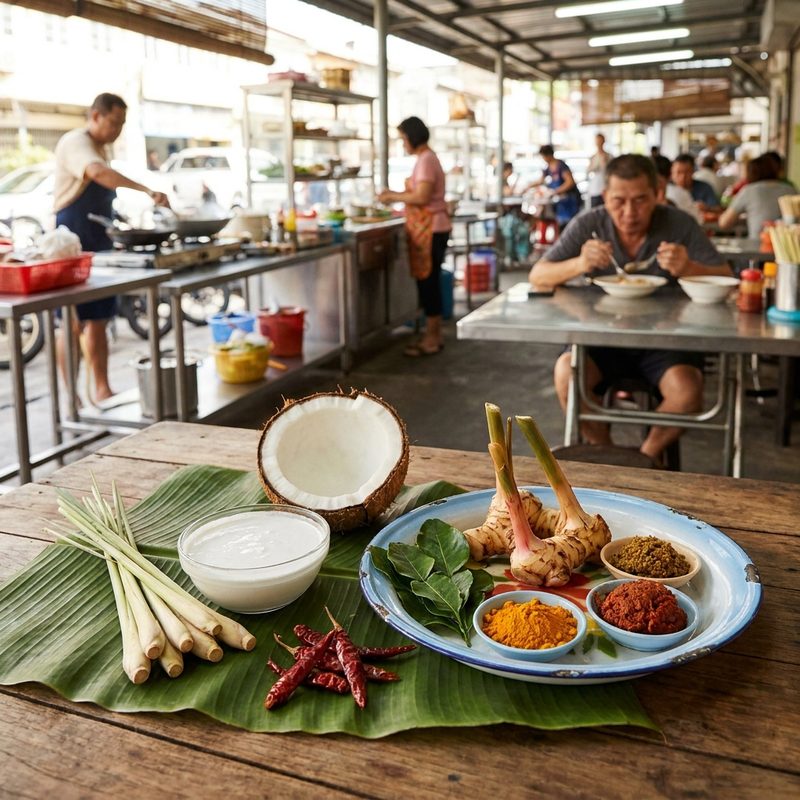
In Singapore, home cooks usually choose between fresh santan from the wet market or UHT boxed versions like Kara or Ayam Brand from the supermarket. For the best flavor, look for 'thick' coconut milk (the first press) for enriching gravies, and 'thin' coconut milk (the second press) for simmering meats. If using boxed cream, you can create thin milk by diluting it with a 1:1 ratio of water.
Step 2: Mastering the Pecah Minyak Technique
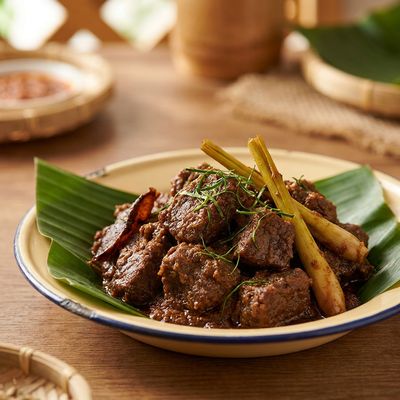
A crucial skill for dishes like Beef Rendang or Ayam Masak Merah is 'pecah minyak' (breaking the oil). Begin by frying your rempah (spice paste) in a little oil. Once fragrant, add a portion of thick coconut milk. Stir constantly over medium heat until the water evaporates and the coconut oil separates from the solids, rising to the top. This ensures the spices are fully cooked and the flavors are concentrated.
Step 3: Simmering with Thin Santan
For dishes like Sayur Lodeh or Chicken Curry, start the cooking process using thin coconut milk. This allows the ingredients to soften and absorb the coconut flavor without the fat scorching or the sauce becoming too heavy. The thin milk acts as a flavorful poaching liquid that forms the base of your gravy.
Step 4: Finishing with Thick Santan (The Lemak Touch)
To achieve that signature creamy mouthfeel in Laksa or Lemak Siput Sedut, always add your thick coconut milk (santan pekat) at the very end of the cooking process. Once added, lower the heat to a gentle simmer. Do not let the gravy come to a rolling boil, as this will cause the coconut milk to curdle or 'pecah', resulting in an oily, grainy texture rather than a smooth, velvety sauce.
Step 5: Balancing Flavors
Santan is naturally sweet and fatty. To balance this richness in Singaporean cooking, always ensure your rempah has enough salt and acidity (usually from asam jawa or tamarind). This prevents the dish from becoming 'jelak' (overwhelmingly rich) and allows the complex spices to shine through the coconut creaminess.