Guide
Singapore Pantry Essentials: Building Blocks for Authentic Home Cooking
Transform your kitchen into a Singaporean home base with these must-have pantry staples. This guide covers the essential building blocks for local dishes and the fundamental techniques of rempah and sambal preparation.
Step 1: Stocking the Essential Liquids
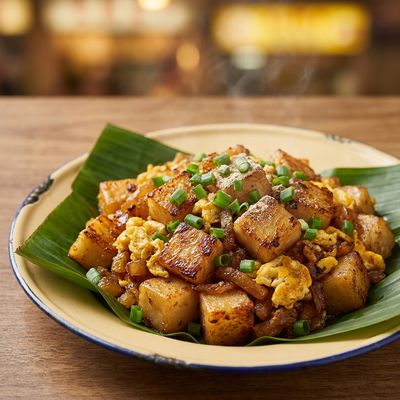
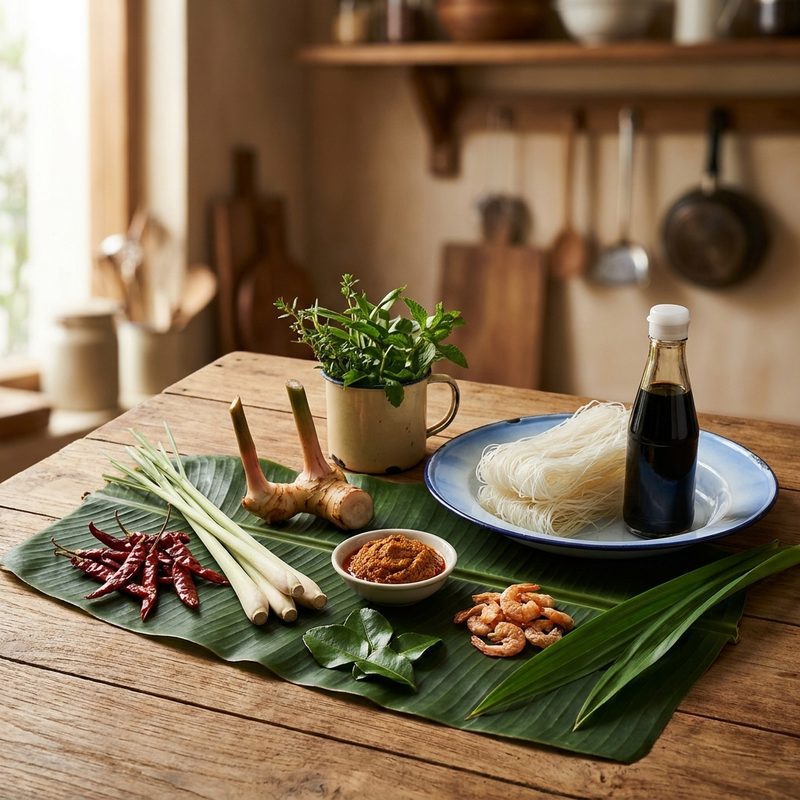
Start with the foundation of Chinese-Singaporean cooking: soy sauces. You must have both Light Soy Sauce for seasoning and saltiness, and Dark Soy Sauce for that rich, caramel color found in dishes like Char Kway Teow or Ayam Pongteh. Additionally, keep a bottle of premium Oyster Sauce and pure Sesame Oil to add depth and aroma to stir-fries and marinades.
Step 2: Mastering the Rempah Base
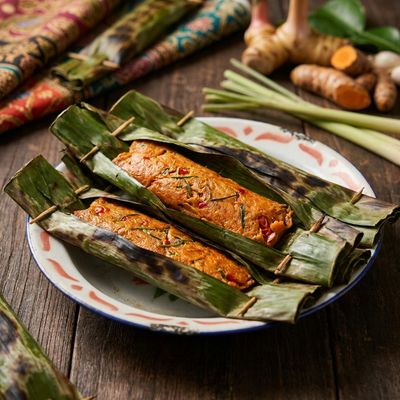
The 'Rempah' (spice paste) is the soul of Malay and Peranakan cooking. For a basic versatile rempah, you will need fresh shallots, garlic, ginger, and galangal (blue ginger). Use a mortar and pestle or a blender to grind these into a smooth paste. This base is essential for making dishes like Beef Rendang or Sambal Udang. Always sauté the rempah in oil until the oil separates—a process known as 'pecah minyak'—to ensure the raw spices are fully cooked and fragrant.
Step 3: Integrating Umami with Belacan and Tauchu
To achieve the authentic 'local' taste, you must utilize fermented ingredients. Belacan (shrimp paste) provides a pungent umami punch to sambals and Kangkong stir-fries. For Nyonya-style dishes, keep Tauchu (fermented salted soybeans) on hand. Before use, belacan should be toasted in a dry pan until crumbly and fragrant to release its full profile.
Step 4: Utilizing Dry Goods and Aromatics
A Singaporean pantry is incomplete without dried shrimp (Hae Bee) and ikan bilis (anchovies). Soak dried shrimp before pounding them into your rempah for Hae Bee Hiam. For aromatics, lemongrass, pandan leaves, and curry leaves are indispensable. Bruise the white base of the lemongrass to release its oils before adding it to curries or Laksa broth.
Step 5: Balancing Flavors with Tamarind and Sugar
The hallmark of Singaporean cuisine is the balance of sweet, sour, and salty. Keep Gula Melaka (palm sugar) for its deep, smoky sweetness in desserts and savory gravies. For acidity, use Asam Jawa (tamarind paste). Mix the tamarind pulp with water and strain to get the 'Asam water' used to brighten dishes like Asam Pedas.