Guide
How to Make Authentic Singaporean Rempah: A Home Cook's Guide
Rempah is the aromatic heartbeat of Singaporean heritage cooking, forming the essential base for dishes like Beef Rendang, Laksa, and Ayam Masak Merah. This guide teaches you how to select, grind, and fry the perfect spice paste using standard supermarket ingredients.
The Essential Aromatics
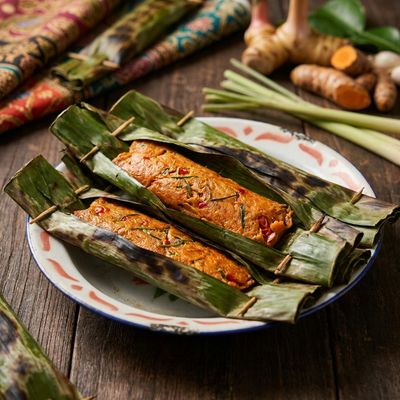
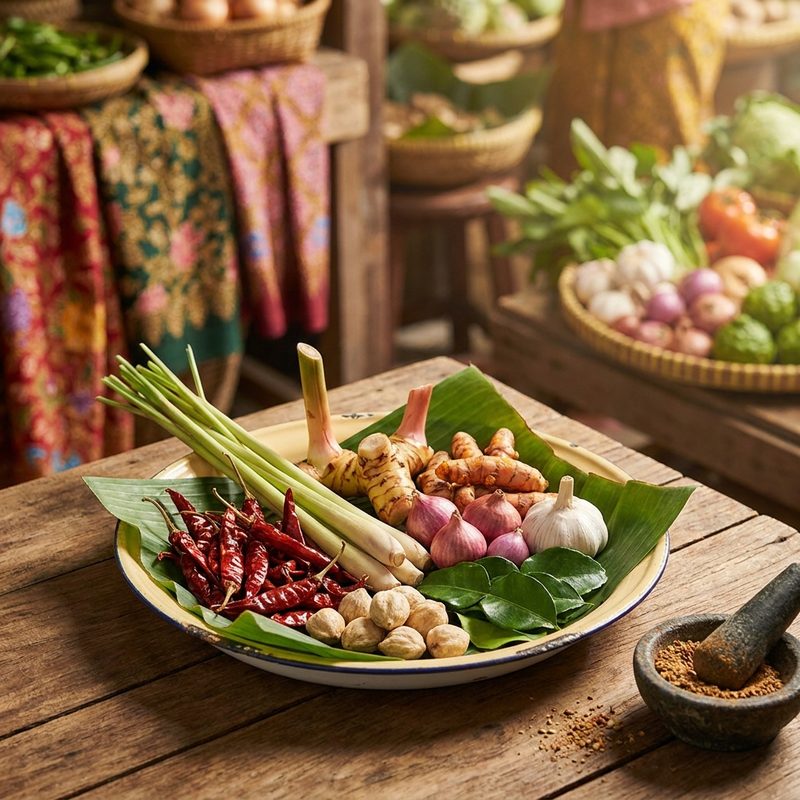
Every authentic rempah starts with the 'holy trinity' of Singaporean aromatics: shallots (bawang merah), garlic, and ginger. For a true local flavor, always use the small red shallots rather than large onions, as they provide a deeper sweetness and better texture. Additional building blocks include galangal (lengkuas) for earthy citrus notes, lemongrass (serai) for fragrance, and fresh turmeric (kunyit) for color and warmth.
Preparing Your Ingredients
Before grinding, prepare your aromatics to ensure a smooth paste. Peel the shallots and garlic. For lemongrass, use only the white inner core, slicing it into thin rings. Scrub the galangal and turmeric, then slice them thinly against the grain to break down the tough fibers. If you are using dried chilies, soak them in hot water until soft, then deseed them to control the heat levels of your sambal or rempah.
Grinding: Blender vs. Pestle and Mortar
While a stone pestle and mortar (batu lesung) is the traditional way to release essential oils, most Singaporean home cooks today use a blender. When using a blender, add the hardest ingredients first (galangal, lemongrass) followed by the softer shallots. Add a splash of neutral cooking oil rather than water to help the blades turn; this speeds up the frying process later as you won't have to evaporate excess moisture.
Tumis: The Frying Process
Heat a generous amount of oil in a wok or heavy-bottomed pan over medium heat. Add the blended paste. This stage, known as 'tumis,' requires patience. You must stir frequently to prevent burning. The goal is to reach the 'pecah minyak' (oil separation) stage, where the water has evaporated, the paste has darkened in color, and the oil begins to seep out from the edges of the paste. This indicates the aromatics are fully cooked and the raw 'grassy' smell is gone.
Seasoning and Finishing
Once the oil has separated, you can add dry spices like coriander powder or cumin if the specific dish requires it. For a balanced Singaporean profile, a pinch of salt and a small knob of Gula Melaka (palm sugar) are often added at the end to round out the pungent flavors of the aromatics.